


Every clinic visit ends with the next one booked.

Booking on your own site in sync with the clinic's diary, every client a record with the next date placed before the coat goes on, and aftercare in your own words. Reception answers new clients instead of the same questions. Anything clinical goes to a practitioner.

Seven reasons a client does not come back, and what we build for each.

Each one is a problem we hear from this trade, in plain words, and what a SharpHaw subscription puts in its place.

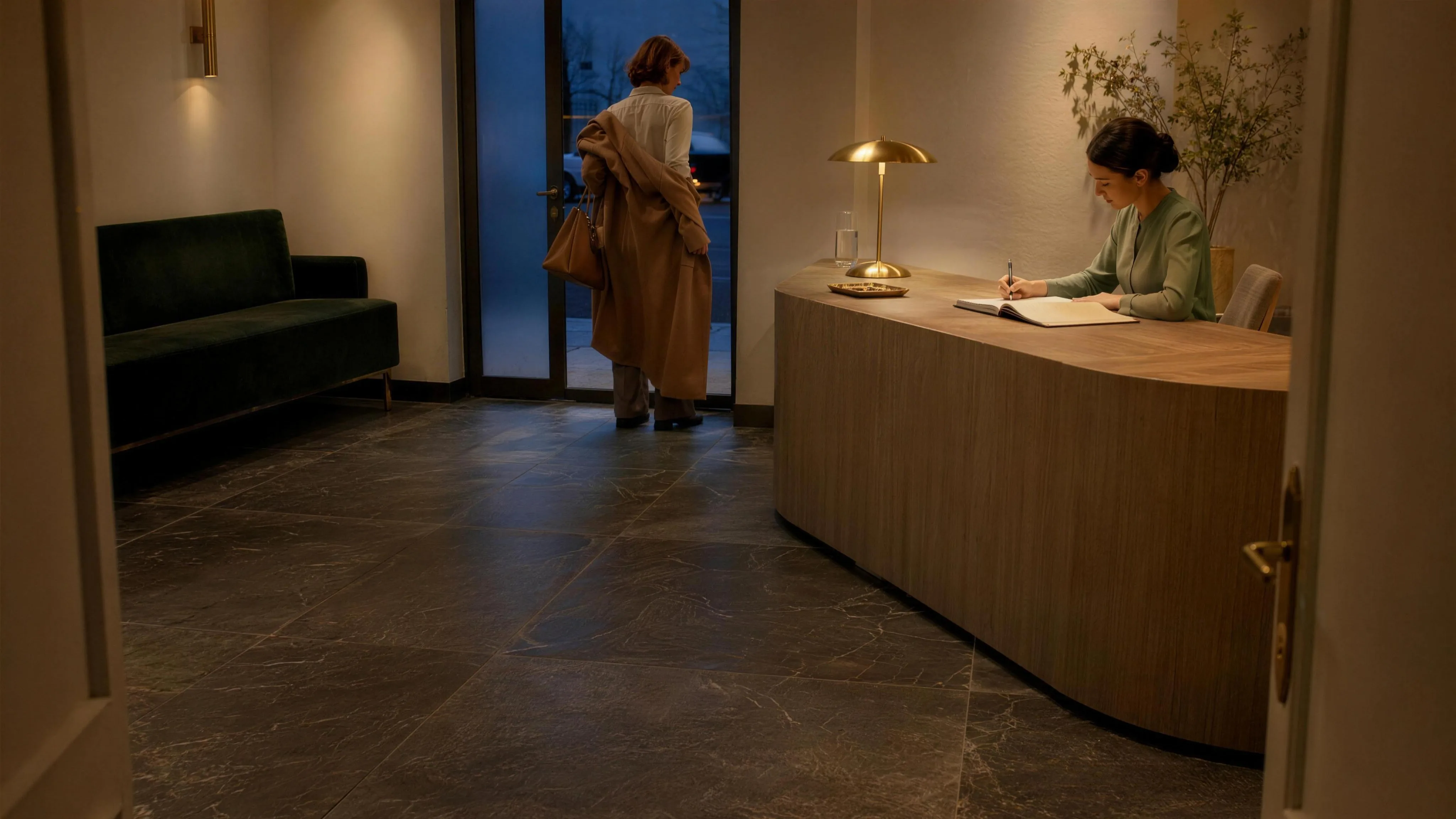
  1. A woman on her sofa late in the evening under one lamp, phone to her ear listening to a recorded message, her own diary open on her knee with the free evenings marked

    01 · The problem

    Booking means calling reception or sending an email.

    A client who wants a slot at nine at night has to wait until morning, and some do not wait.

    Booking on your own website, kept in sync with your clinic platform, so the client picks the time that fits her week without a call.

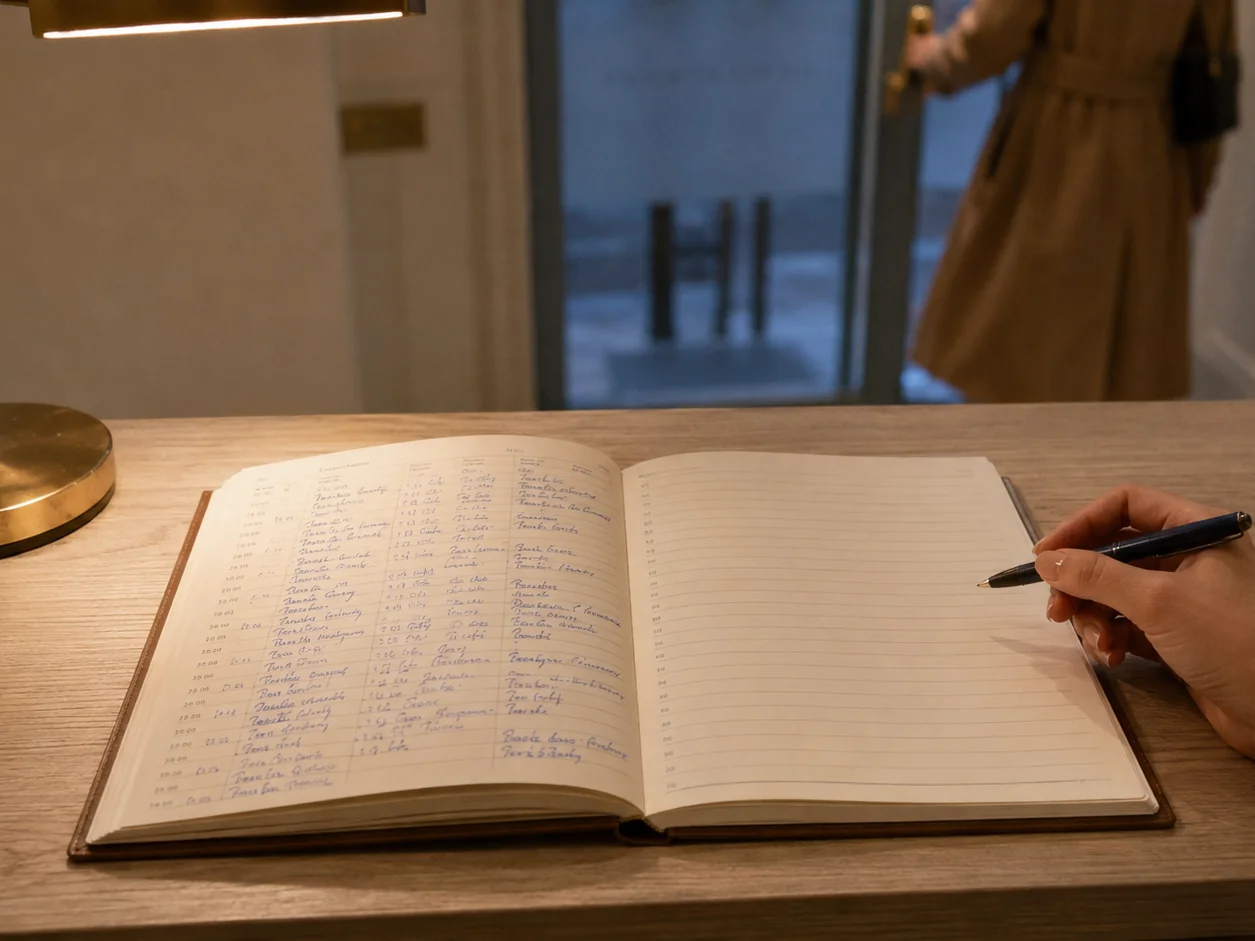
  2. The clinic's appointment diary open on the desk under the lamp: today's page full of names in pen, next month's page empty, a hand holding a pen above it

    02 · The problem

    The diary shows today, and knows nothing about who is due back.

    The next visit lives in the client's memory and in next month's ad budget.

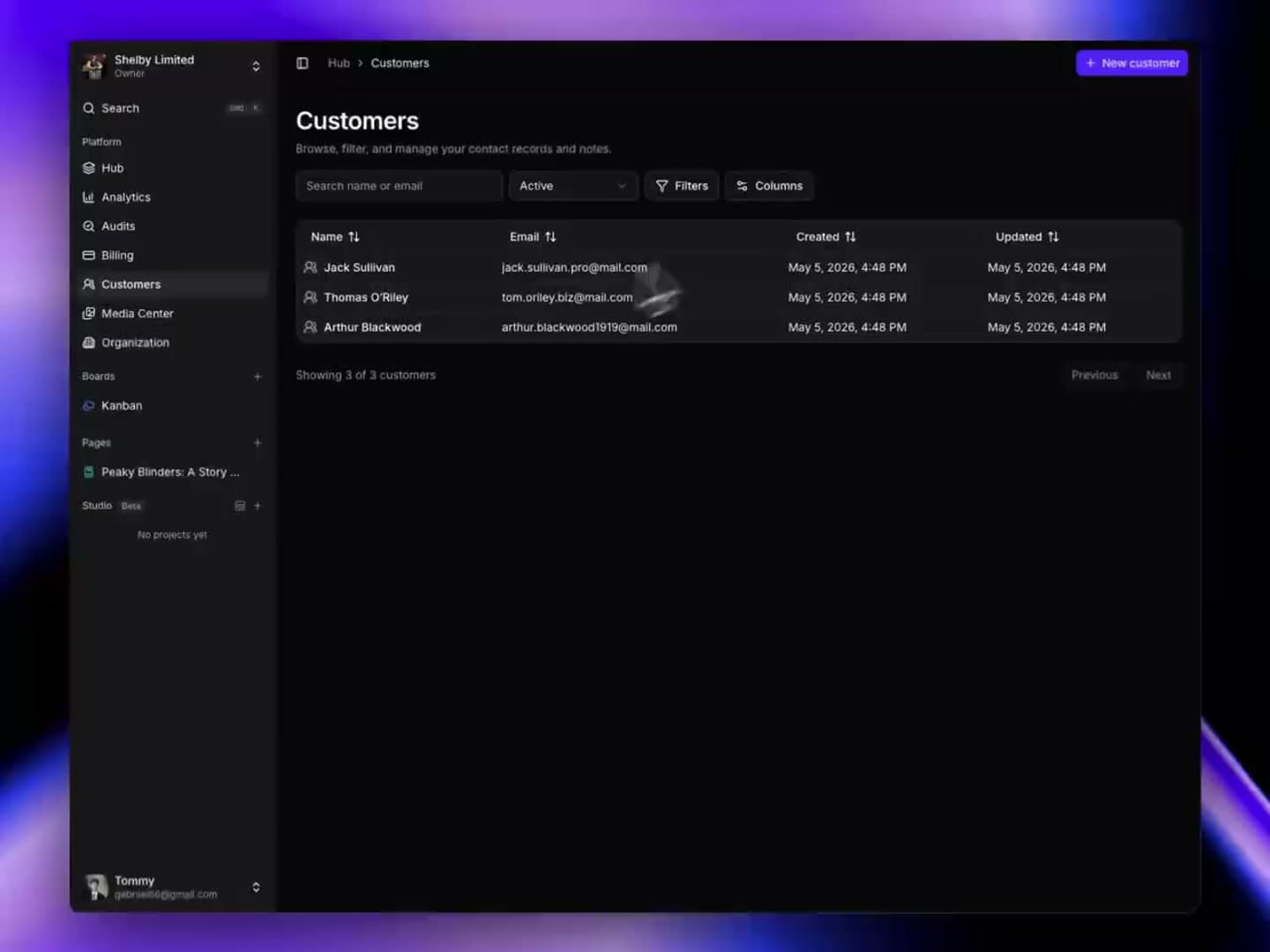
    Every client becomes a record with her next date placed before she leaves, so the second booking is made in the room rather than hoped for.

  3. The receptionist running a highlighter down a long printed client list, guessing who is due back, a spreadsheet on the monitor beside her and the waiting bench empty

    03 · The problem

    You cannot see who could come back and buy more.

    Clients due a review, lapsed after a first visit, or ready for the next treatment are mixed in with everyone else.

    A board that shows exactly those clients, grouped by what they are ready for, so the team knows who to reach out to this week.

  4. A practitioner in the treatment room between clients, gloves just off, typing an aftercare message on her own phone while the next client's tray waits behind her

    04 · The problem

    Aftercare depends on someone remembering to text.

    Between clients, the practitioner sometimes does and sometimes does not.

    Aftercare messages and the review-date reminder go out in the clinic's own words on the dates you set, every time.

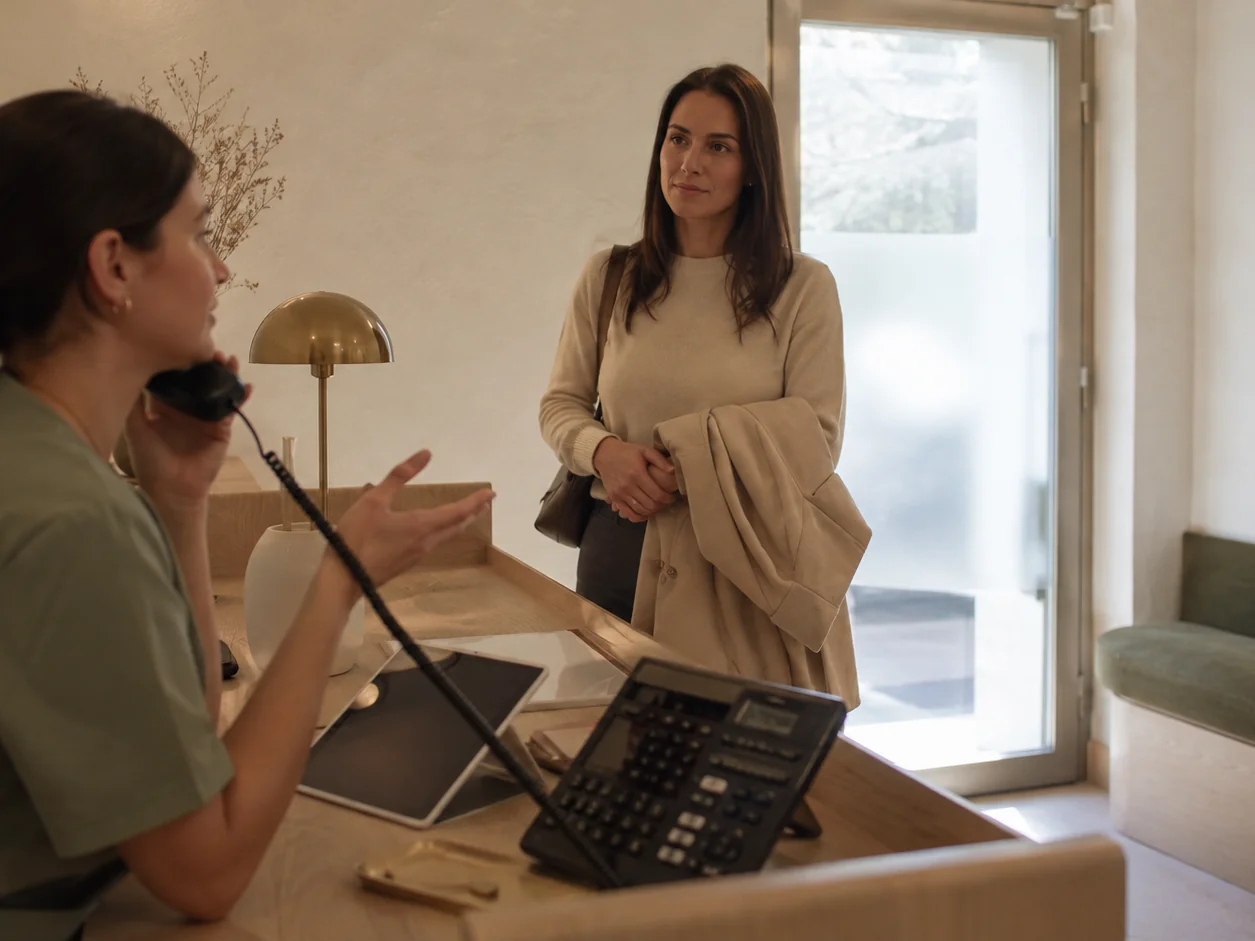
  5. The receptionist on the phone with a hand over the receiver, explaining a price again, while a new client stands at the desk holding her coat and waiting

    05 · The problem

    Reception spends the day answering the same questions.

    Prices, aftercare, parking, what a treatment involves, asked over and over, while new clients wait.

    A support chat answers those questions day and night from your approved wording. Anything clinical goes to a person. Reception's day goes to new clients.

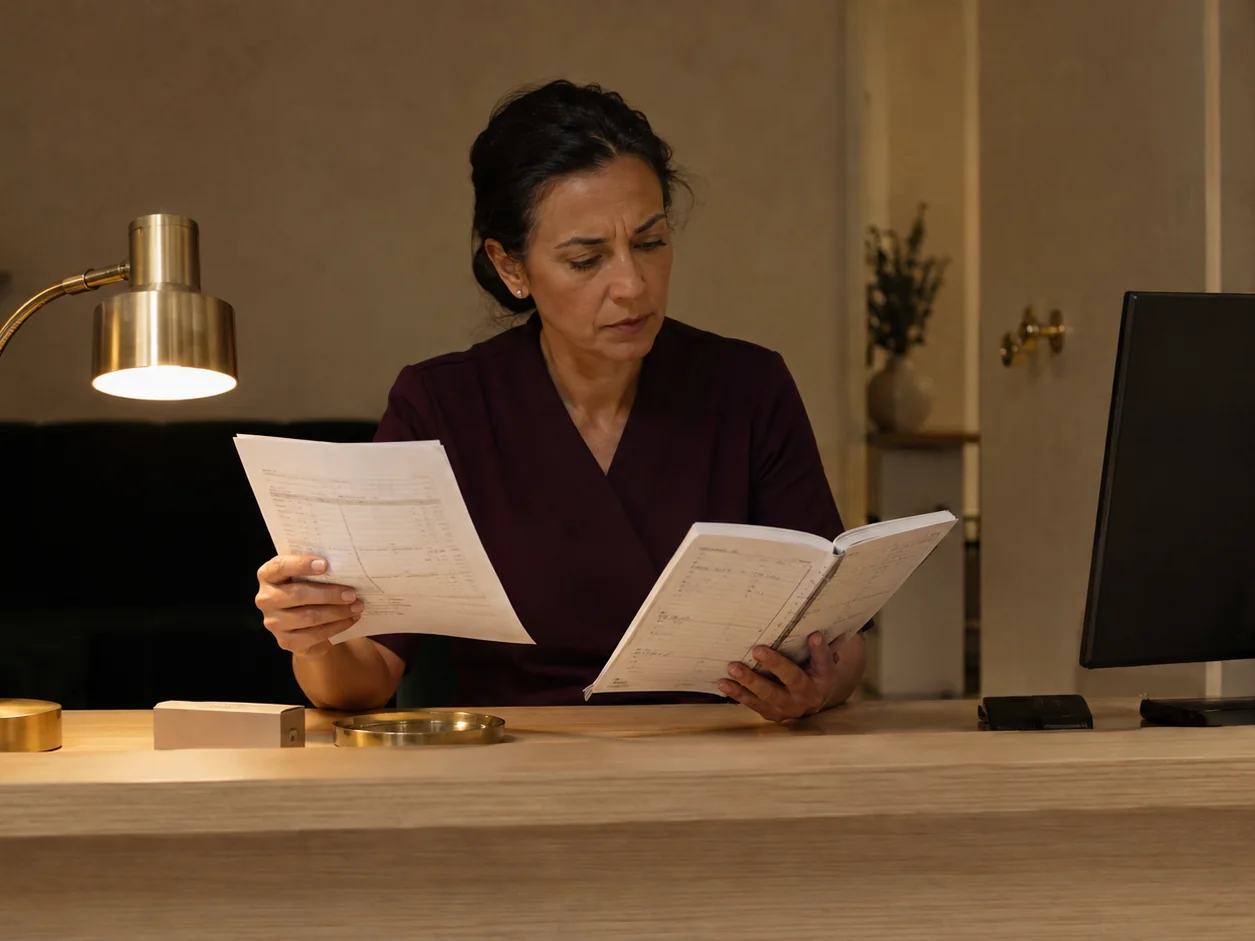
  6. The clinic owner after closing with a printed advertising invoice in one hand and the appointment book in the other, trying to match one to the other by lamplight

    06 · The problem

    Ads reach whoever the platform picks, and nobody knows what they brought.

    Money goes out, some bookings come in, and the link between the two is a guess.

    What we build

    Ads

    Ads aimed at the right audience for each treatment and measured in bookings, so you know which ad filled which slot.

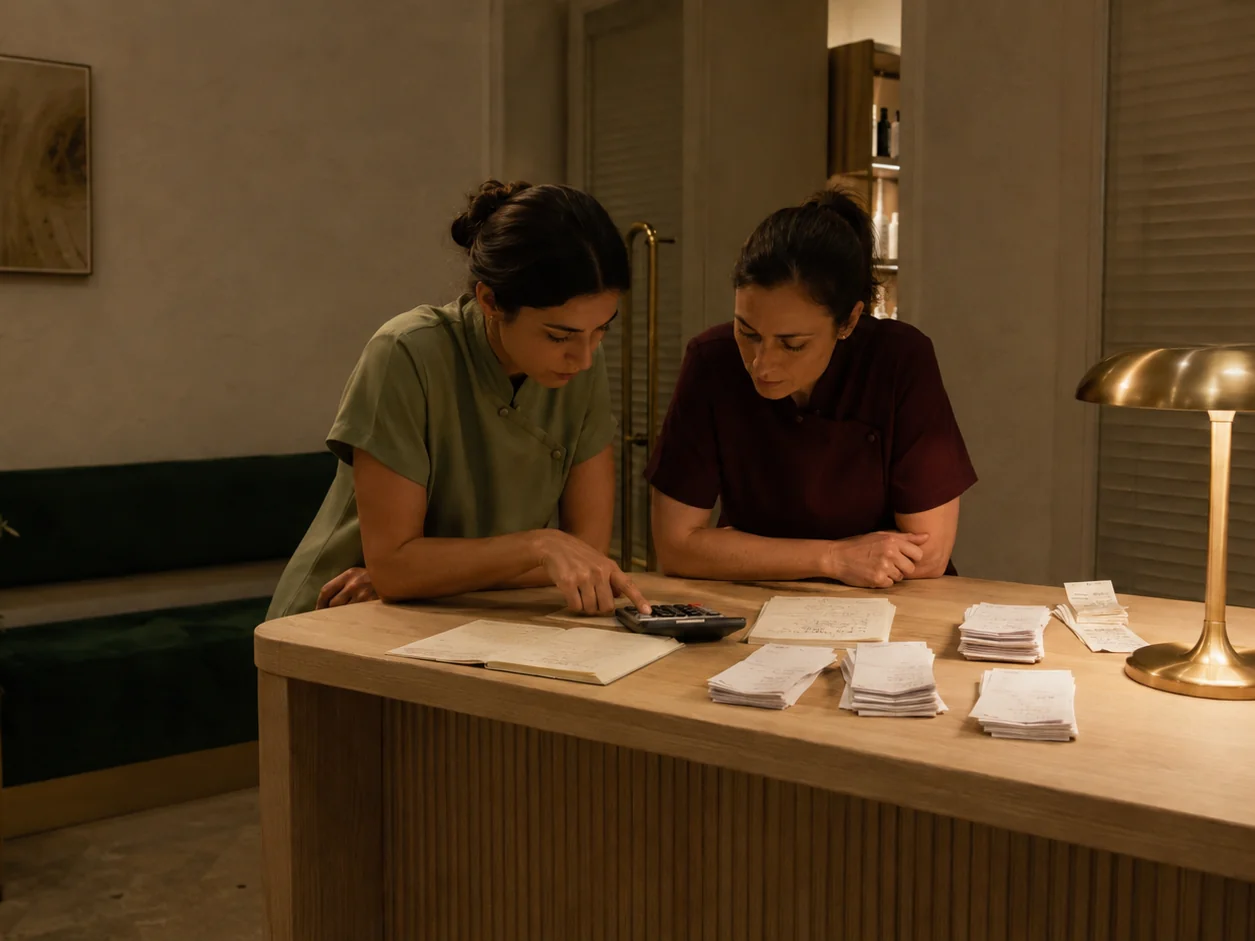
  7. Month end after closing: the receptionist and the practitioner leaning over a calculator with appointment slips sorted into piles and a notebook of handwritten totals

    07 · The problem

    There is no data on clients, campaigns, or where people drop off.

    You know the month's total and not much about how it happened.

    Clear funnels for every campaign and a view of each client's timeline, so the team can find the step that loses people and fix it.

Pricing

The price, before you ask.

Starter is €2.500/month, plus VAT, no annual contract, no setup fee. Everything on this page runs on it. Move up, down, or out any month.

Straight answers, before the call

Can the reminders mention the treatment by name?
A confirmation can say what the client is booked for, because it is the administration of a treatment she chose. A message sent to many people that names a prescription-only product and invites a top-up is advertising to the public, which the EU and the UK do not allow. Every message is written with you, read against the rules of your market, and signed off before the first one sends.
Does anything automated make a clinical decision?
No. The review date and the maintenance interval are set by the practitioner at the chair, and the system carries them. A question about swelling, bruising or anything else about how someone feels goes to a named person, with the client told when she will hear back. The assistant repeats your aftercare card and never judges whether something is normal.
Do we keep our clinic software and our diary?
Yes. Your practice management system stays the record of treatment and your diary stays your diary. What gets built sits around them: the approved content, the consultation enquiry, the confirmations and reminders, the aftercare route and the record of who has a next date. Where your diary can be connected, the next date is placed there; where it cannot, reception places it and the record is updated by hand.
What can a client opt out of, and what can she not?
Confirmations, reminders and the aftercare route are part of the care she booked, and each carries a way to reschedule and a way to reach a person. Anything promotional is a separate track, agreed to with an unticked box and plain wording, with a one-tap opt-out honoured everywhere. Nobody joins a campaign by booking a consultation, and the enquiry form asks for an area of interest and a date, never a condition.
What does it cost?
One fixed monthly fee with no discovery fee, no setup invoice and no minimum term, and the SharpOS workspace included rather than billed separately. Everything on this page is in Starter, the plan published above and on the Plans page, plus VAT, with no annual contract. Move up, down, or out any month.
How it works

One partner, one fee, one weekly loop.

What we stand for, how the fee works and how a week with us goes. The answers above cover the specifics; every line here can be checked on the Values page.

  • One partner, not four suppliers

    Website, content, ads and automations, run as one weekly loop from Starter.

  • One published fee, before the call

    Starter is on the Plans page, plus VAT, no setup fee, no annual contract.

  • The founder does the work

    The person on your first call is the person who ships it, every week.

  • Nothing finishes

    Plan, build, iterate: each month starts where the last one ended.

  • Yours stays yours, in writing

    Domain, brand, content and data are yours and leave with you.

  • And if you ever leave

    Any month, no exit fee, two months of continuity; the engine stays ours.

Who you would be working with

SharpHaw is one senior software engineer, Gabriel Espinheira, running the website, the content, the ads and the automations as one weekly loop for businesses across Europe, with SharpOS as the workspace it all runs in. How that works, who does the work, and everything the subscription covers are written up on the site.

Bring last month's diary. Leave knowing who never rebooked.

Thirty minutes over last month's diary: who came in, who left with a date, who was followed up, and where the second booking goes missing. No proposal afterwards.