



An architecture practice a client can shortlist.

Every project published twice: the photographs, then the constraint, the decision and the brief it proves the practice can take. The credentials and the people a client needs before calling, and an enquiry that asks the site, the budget band and the brief.

Four reasons a client admires the work and never calls, and what we build for each.

Each one is a problem we hear from this trade, in plain words, and what a SharpHaw subscription puts in its place.

  1. A developer turning the pages of a practice's printed portfolio in a meeting room: page after page of buildings and not one face, name or credential

    01 · The problem

    The website gives no reason to trust the practice.

    A gallery, an about page, and no sense of the people behind the work.

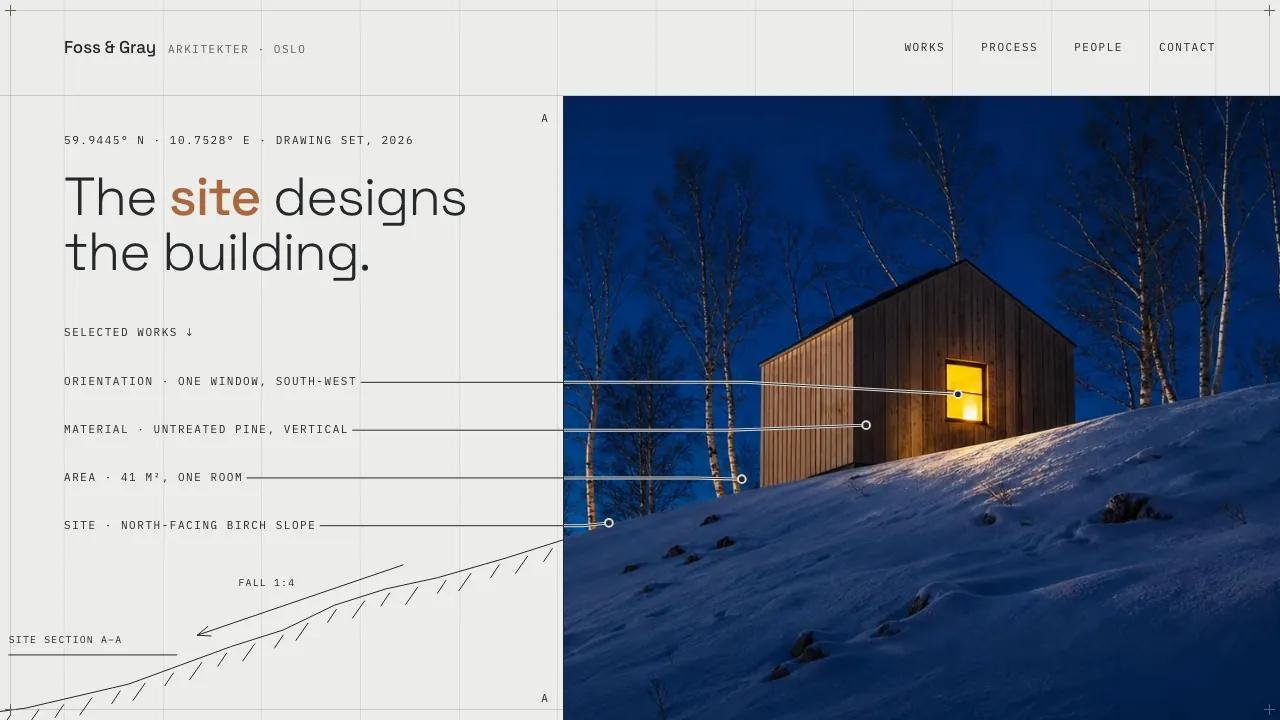
    A modern site in your brand, with the credentials and the people a client needs to see before they pick up the phone.

  2. A developer at her desk with a site plan unrolled and weighted by a mug, a budget on a sticky note, her thumb hovering over the practice's number

    02 · The problem

    The only way in is a phone number.

    A developer with a site and a budget will not call to find out whether you are interested.

    A form that asks the site, the budget range and the brief, feeding a pipeline the practice can see and act on.

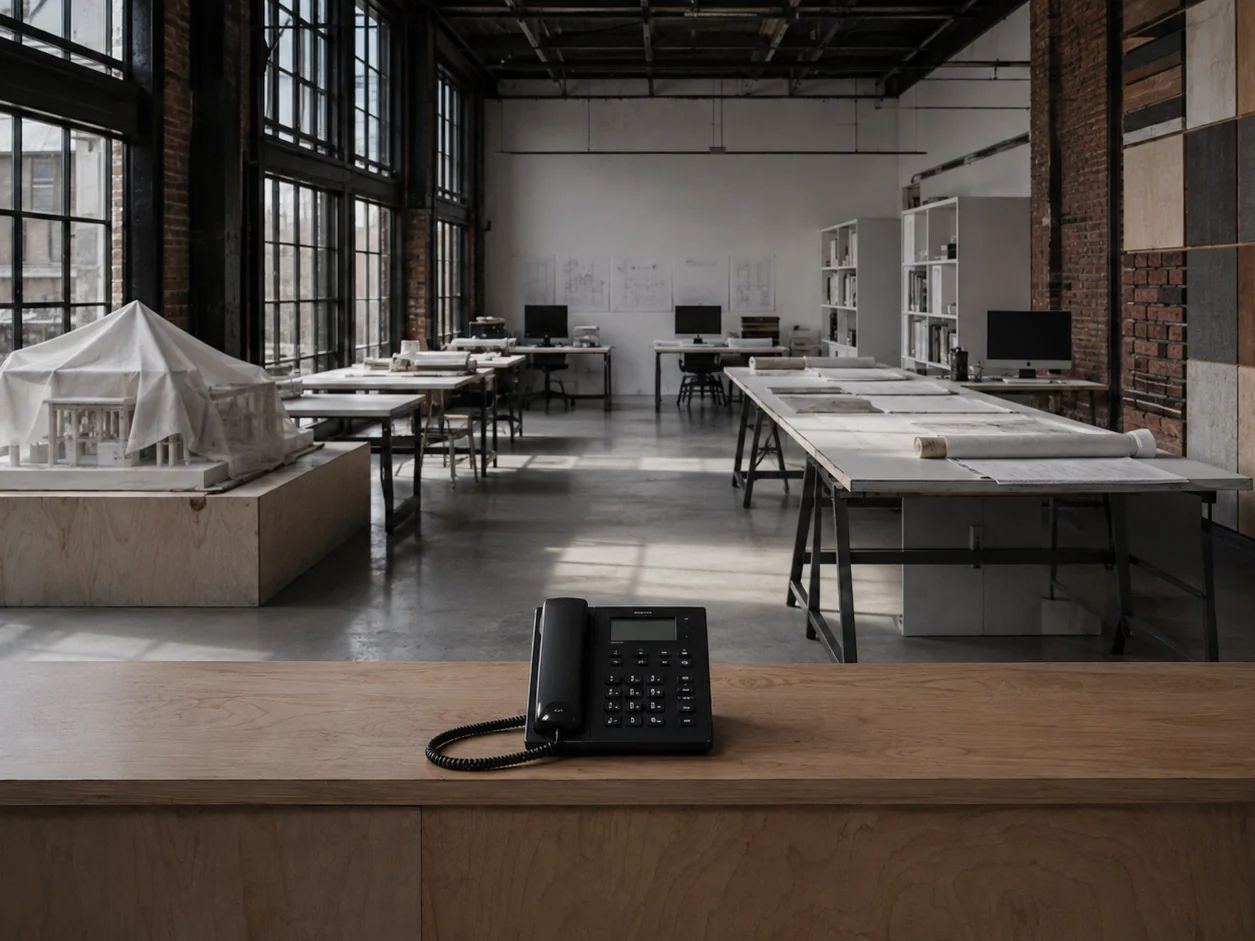
  3. An architecture studio empty on a Sunday: drawing boards, a model under a dust sheet, one monitor asleep and the phone on the reception desk

    03 · The problem

    An enquiry on a Sunday waits until someone is at a desk.

    How the practice works, what a first meeting covers, what you take on. Nobody to ask.

    A support chat that answers day and night on how the practice works and what it takes on, and passes real enquiries to a person.

  4. An architect at night with three old printed proposals fanned across the worktable, each in a different typeface, cutting a page from one to paste into another

    04 · The problem

    Every proposal is rebuilt from three old PDFs.

    Three versions of the typeface, a photograph nobody can find at full size, and an evening lost.

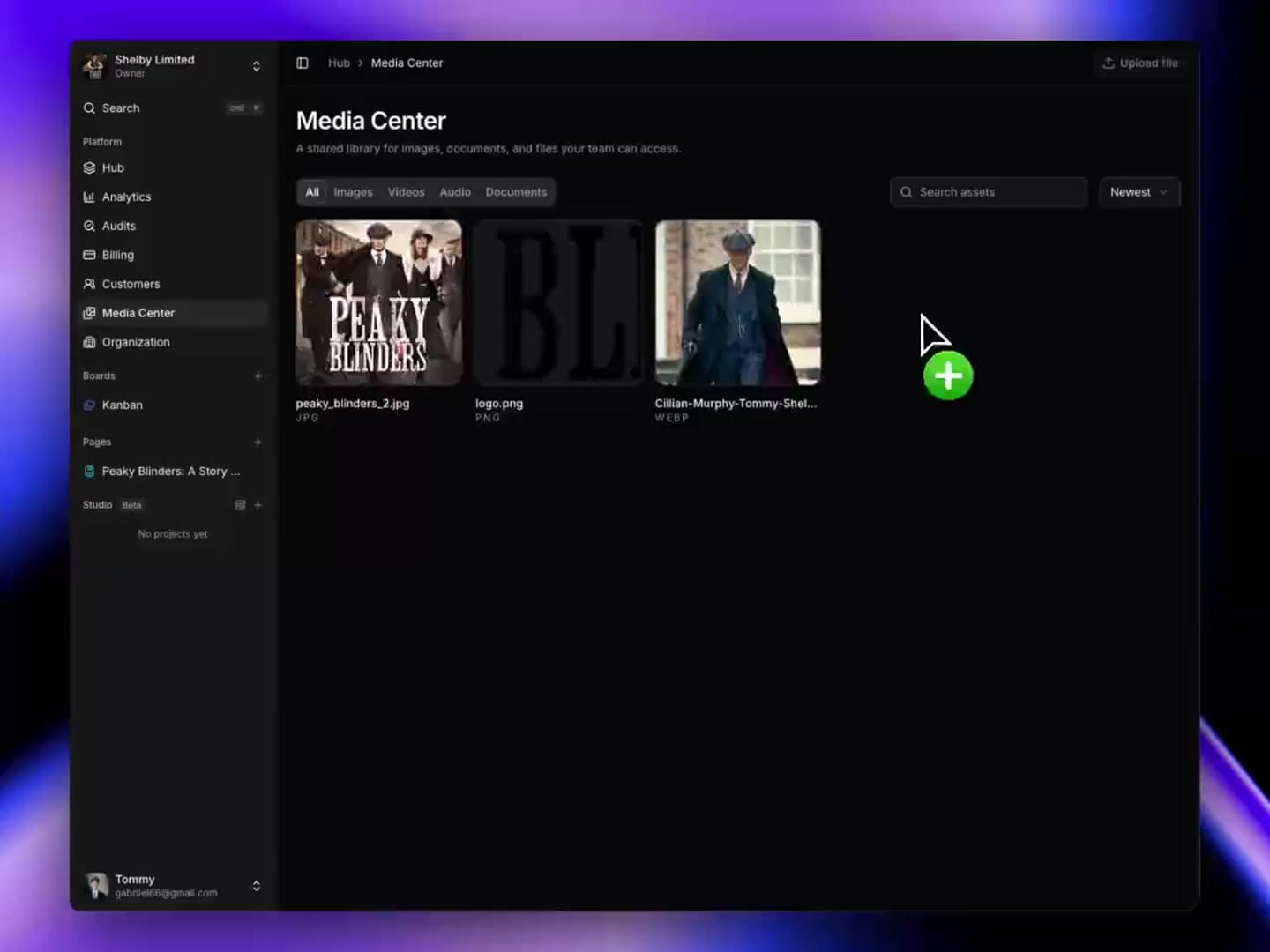
    One library of approved text, photography and permissions that feeds the site, the credentials and the next proposal.

Pricing

The price, before you ask.

Starter is €2.500/month, plus VAT, no annual contract, no setup fee. Everything on this page runs on it. Move up, down, or out any month.

Straight answers, before the call

Who writes the case, and how much of our time does it take?
We do, from about forty minutes with the project architect, and the practice approves it before it goes live. Most of what makes a case persuasive is already in that conversation and has simply never been written down. After the first two or three, the format is set and each new project is a shorter interview and a review.
What if clients will not let us publish budgets or drawings?
Most will not, and the format does not need them. A budget can be a constraint rather than a figure, a planning history can be a shape rather than a correspondence, and a client can be a sector rather than a name. What a selection panel wants is evidence that you have solved this kind of problem, and that survives redaction.
Can we show renders and unbuilt work?
Yes, labelled for what they are. Competitions and studies often show the practice's thinking more clearly than a finished building does, and they are worth the same treatment: the constraint, the decision, the consequence. What they never do is sit unlabelled beside completed projects.
How fast can a finished project get onto the site?
Weeks rather than the following winter, because the bottleneck is usually the writing and the approvals rather than the build. The board shows exactly where each project has stopped, which in most practices turns out to be one person's inbox, and that is a thing a principal can fix once they can see it.
What does it cost?
One fixed monthly fee with no discovery fee, no setup invoice and no minimum term, and the SharpOS workspace included rather than billed separately. Everything on this page is in Starter, the plan published above and on the Plans page, plus VAT, with no annual contract. Move up, down, or out any month.
How it works

One partner, one fee, one weekly loop.

What we stand for, how the fee works and how a week with us goes. The answers above cover the specifics; every line here can be checked on the Values page.

  • One partner, not four suppliers

    Website, content, ads and automations, run as one weekly loop from Starter.

  • One published fee, before the call

    Starter is on the Plans page, plus VAT, no setup fee, no annual contract.

  • The founder does the work

    The person on your first call is the person who ships it, every week.

  • Nothing finishes

    Plan, build, iterate: each month starts where the last one ended.

  • Yours stays yours, in writing

    Domain, brand, content and data are yours and leave with you.

  • And if you ever leave

    Any month, no exit fee, two months of continuity; the engine stays ours.

Who you would be working with

SharpHaw is one senior software engineer, Gabriel Espinheira, running the website, the content, the ads and the automations as one weekly loop for businesses across Europe, with SharpOS as the workspace it all runs in. How that works, who does the work, and everything the subscription covers are written up on the site.

Bring one finished project. Leave with the case it should have been.

Thirty minutes on a project you are proud of: the constraint, the decision, and the brief it qualifies the practice to take. We will write the shape of that page on the call. Yours whether or not you engage. No proposal afterwards.