
A hotel site that answers while the guest decides.

Rooms a guest can tell apart by size, outlook, bed and what fits, answers about the cot, the late arrival and the parking at the hour they ask, and a booking path that behaves on a phone. The marketplace made the introduction; the site wins the comparison beside it.

Five ways a hotel loses the direct booking, and what we build for each.

Each one is a problem we hear from this trade, in plain words, and what a SharpHaw subscription puts in its place.

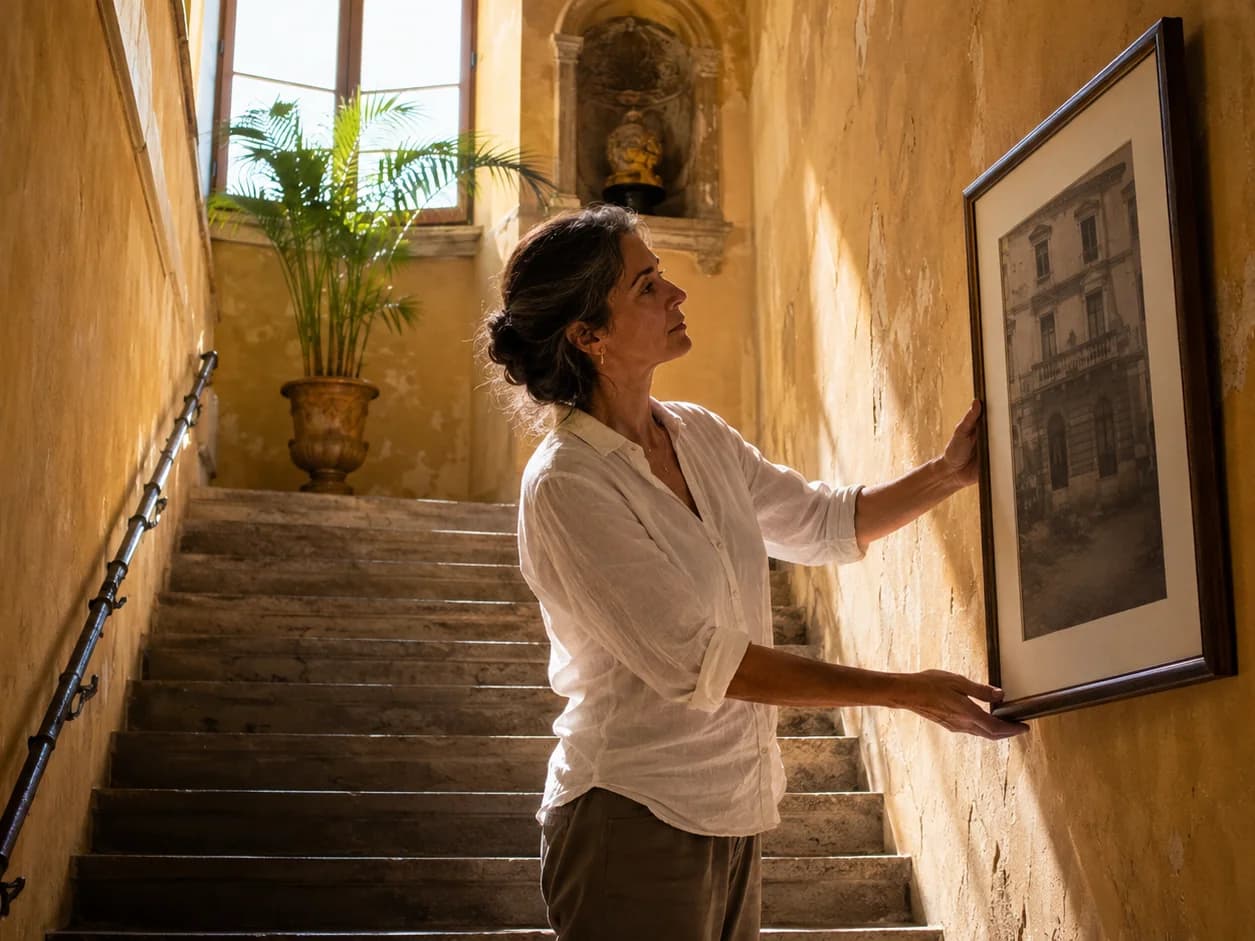
  1. The owner of a small hotel on the stone staircase in morning light, holding an old framed photograph of the building against the wall and deciding where to hang it

    01 · The problem

    An outdated website with no history, no people and no story.

    The marketplace listing says more about the property than the property's own site.

    What we build

    Content Engine

    A modern site and blog posts about the building, the rooms, the food and the neighbourhood, so a guest has a reason to book direct.

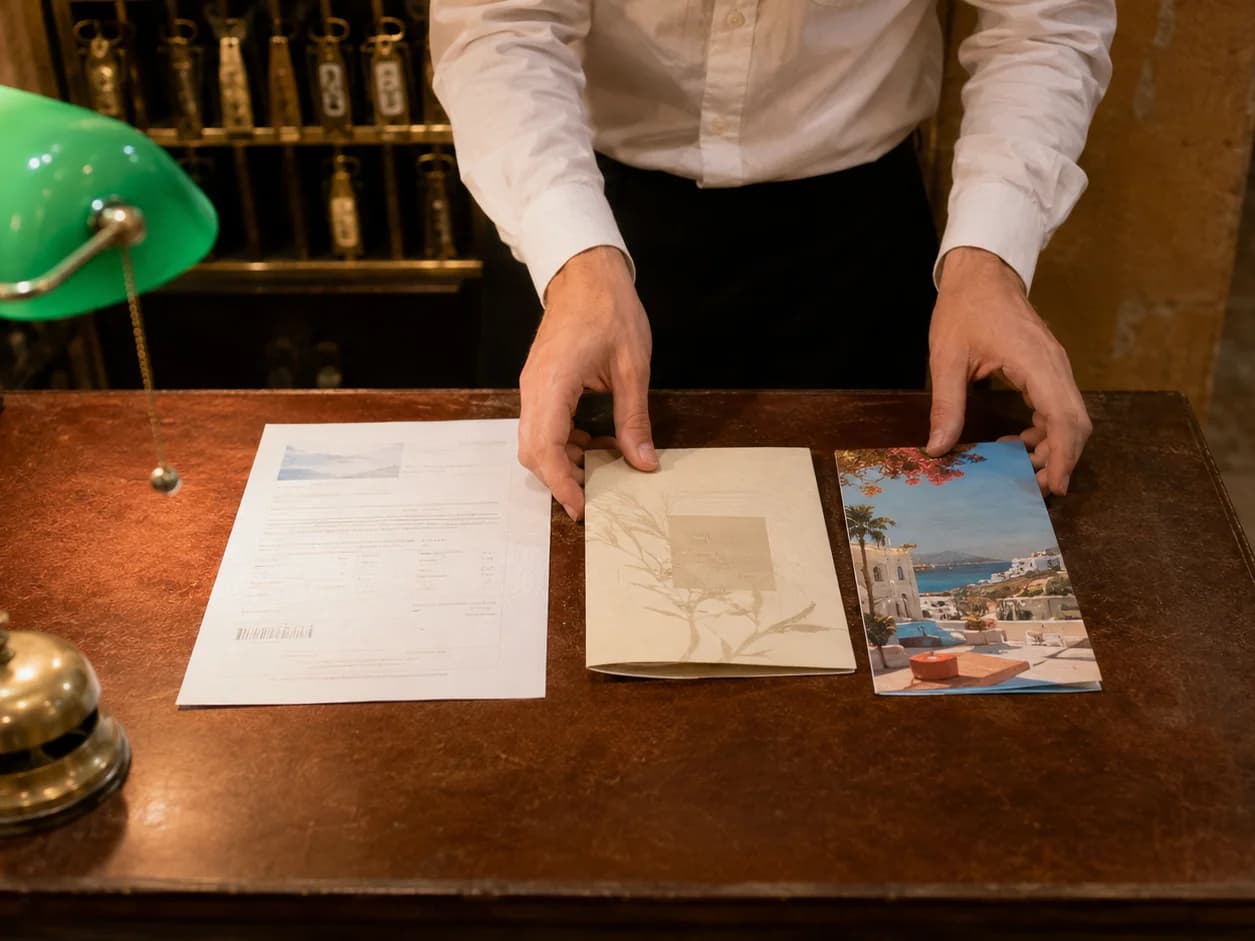
  2. Three printed pieces laid in a row on a hotel reception desk, a confirmation, a welcome card and a flyer, each a different colour and typeface, being tidied into one pile

    02 · The problem

    Online communication is vague and off brand.

    The booking email, the reply to a question and the ad each sound like a different hotel.

    A website and ads that say what the property is, clearly and in one voice, across every message a guest receives.

  3. A traveller propped up in bed at night with a laptop, two tabs open side by side, her hand hovering over the trackpad while she compares them

    03 · The problem

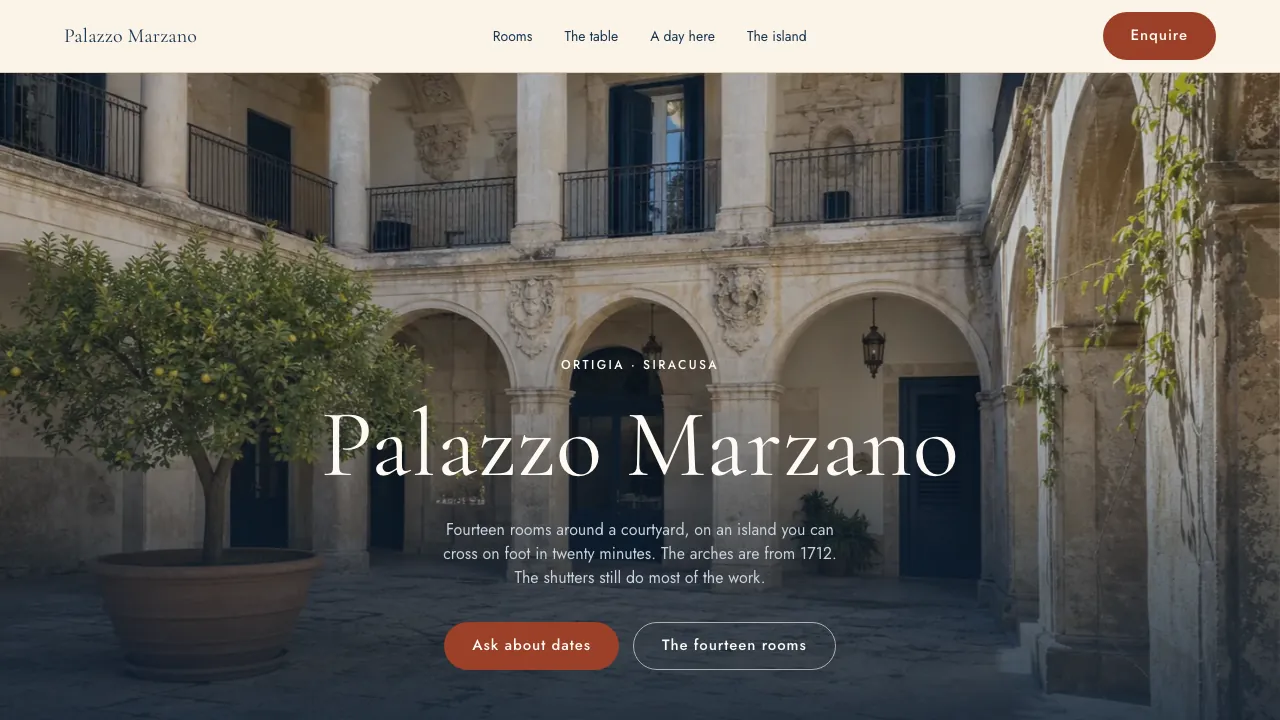
    The listing explains four rooms; your site shows a film and a menu.

    A guest comparing the two tabs stays on the one where she can tell the rooms apart.

    Every room shown so a guest can choose between them: the size, the view, the bed, what fits.

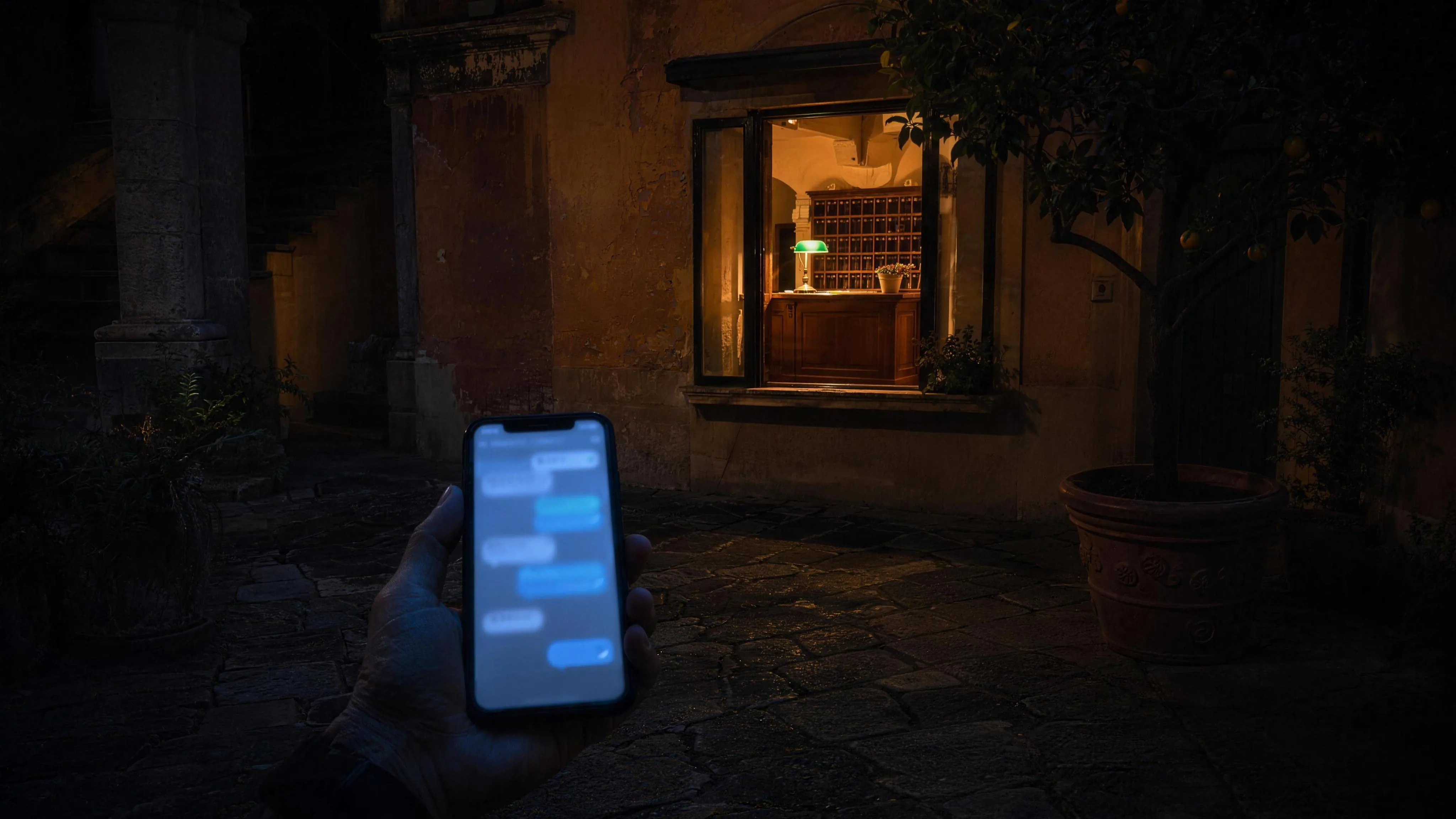
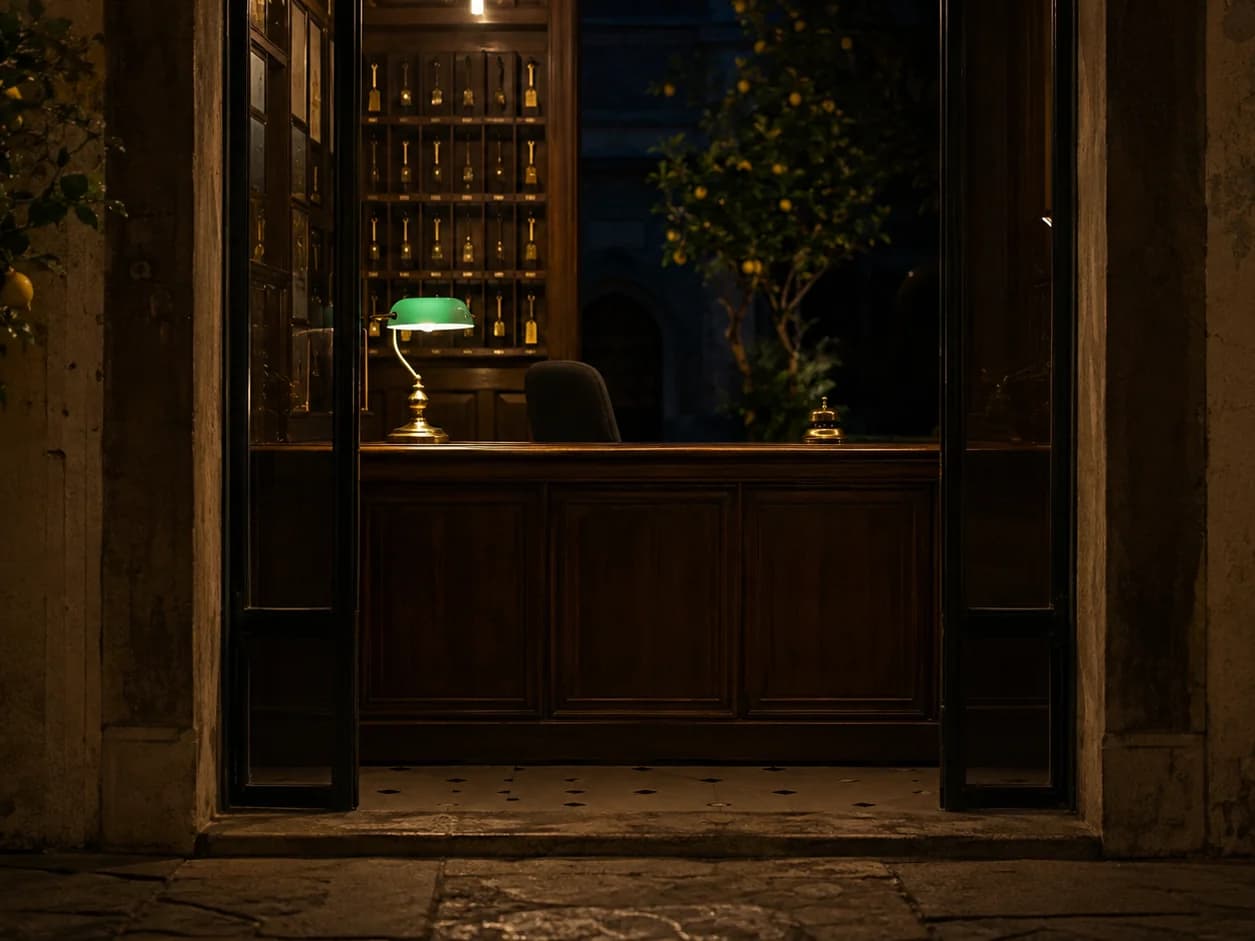
  4. A hotel reception at eleven at night with nobody at the desk: the chair pushed back, the lamp on, a bell on the counter and the key rack full behind

    04 · The problem

    A question at 23:00 is answered at breakfast.

    Does the room take a cot, will someone be at the desk for a late flight. By breakfast she booked through the marketplace.

    Practical questions answered on your site at any hour in your own words: cots, late arrivals, parking, the dog.

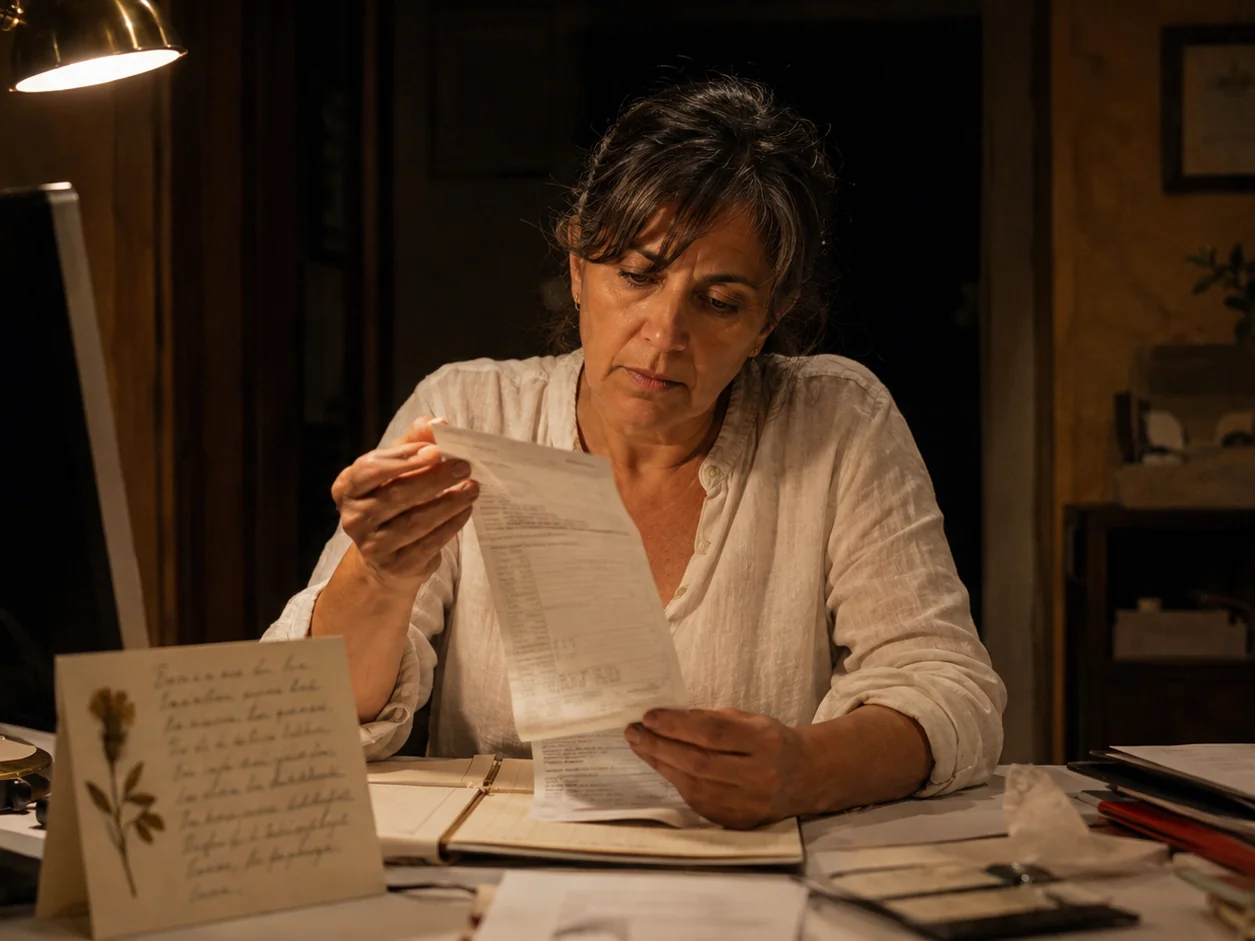
  5. A hotel owner opening the month's commission invoice at her desk at night, a guest's handwritten thank-you card from last year propped against the monitor

    05 · The problem

    A guest who booked direct once is re-introduced, and charged for, next year.

    The marketplace keeps the guest; you keep the commission invoice.

    The guest becomes your record, and the reason to come back goes from the property, not from a platform.

Pricing

The price, before you ask.

Starter is €2.500/month, plus VAT, no annual contract, no setup fee. Everything on this page runs on it. Move up, down, or out any month.

Straight answers, before the call

Are you telling us to leave the marketplaces?
No. They are the best discovery a small property has, and a listing there is often how a guest hears about you at all. The argument is about what happens in the tab next to it. Winning that comparison changes the mix, so the same guest arrives without a commission on the second and third stay, while the listing keeps doing the introducing.
Do we have to change our booking engine?
Usually not. The path in front of it is where most direct bookings are lost: room pages that do not compare, questions with no answer at midnight, a checkout that breaks on a phone. We build that path into your existing engine and say plainly if the engine itself is the thing standing in the way.
Who decides what the site is allowed to answer?
You do, in writing, before anything goes live. It answers the practical and repeatable: parking, arrival times, cots, dogs, the walk from the station, what breakfast is. It does not quote a rate for a specific stay, does not promise a room is free and does not negotiate. Those go to a person, and it says so rather than guessing.
Whose ad accounts do the campaigns run in?
Yours. The spend, the history and the audiences stay with the property, media is paid at cost from your own accounts and never marked up, and the weekly report shows spend beside direct bookings rather than beside clicks. If the campaigns stop, everything they built stays in the property's accounts.
What does it cost?
One fixed monthly fee with no discovery fee, no setup invoice and no minimum term, and the SharpOS workspace included rather than billed separately. Everything on this page is in Starter, the plan published above and on the Plans page, plus VAT, with no annual contract. Move up, down, or out any month.
How it works

One partner, one fee, one weekly loop.

What we stand for, how the fee works and how a week with us goes. The answers above cover the specifics; every line here can be checked on the Values page.

  • One partner, not four suppliers

    Website, content, ads and automations, run as one weekly loop from Starter.

  • One published fee, before the call

    Starter is on the Plans page, plus VAT, no setup fee, no annual contract.

  • The founder does the work

    The person on your first call is the person who ships it, every week.

  • Nothing finishes

    Plan, build, iterate: each month starts where the last one ended.

  • Yours stays yours, in writing

    Domain, brand, content and data are yours and leave with you.

  • And if you ever leave

    Any month, no exit fee, two months of continuity; the engine stays ours.

Who you would be working with

SharpHaw is one senior software engineer, Gabriel Espinheira, running the website, the content, the ads and the automations as one weekly loop for businesses across Europe, with SharpOS as the workspace it all runs in. How that works, who does the work, and everything the subscription covers are written up on the site.

Open both tabs with us. Leave knowing which one a guest would finish.

Thirty minutes with your site beside the listing that introduced the guest: what the rooms page answers, what happens to a question at eleven, and where the booking path gives up on a phone. Yours whether or not you engage. No proposal afterwards.