Skip to content

A winery that keeps the customer after the tasting.

Tastings booked on your own site rather than a platform that keeps the visitor, a consented record of what each one tasted, liked and took home, and follow-up on that wine when the next release is ready. The second order comes back to the cellar door.

Four things a winery loses after the tasting, and what we build for each.

Each one is a problem we hear from this trade, in plain words, and what a SharpHaw subscription puts in its place.

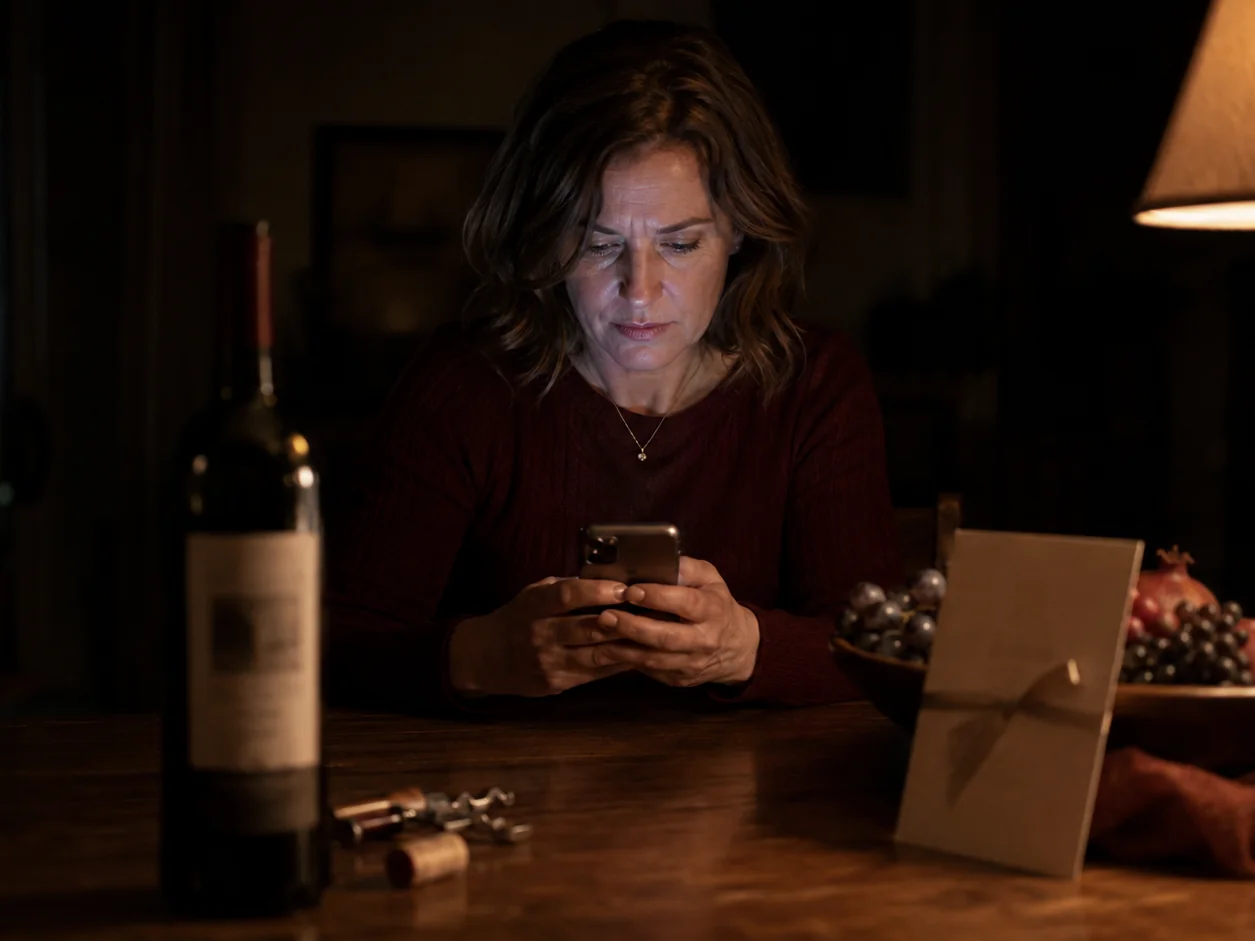
  1. A woman at her kitchen table at night with the estate's bottle in front of her, typing a message on her phone, a wedding invitation propped against the fruit bowl beside her

    01 · The problem

    Visitors have no easy way to ask a question.

    Can you ship to Ireland, can we visit on a Sunday, can I order a case for a wedding. Emails wait days, and some are never sent.

    What we build

    Support

    A support chat on your website that answers day and night from the estate's own guidelines, and hands anything unusual to a person.

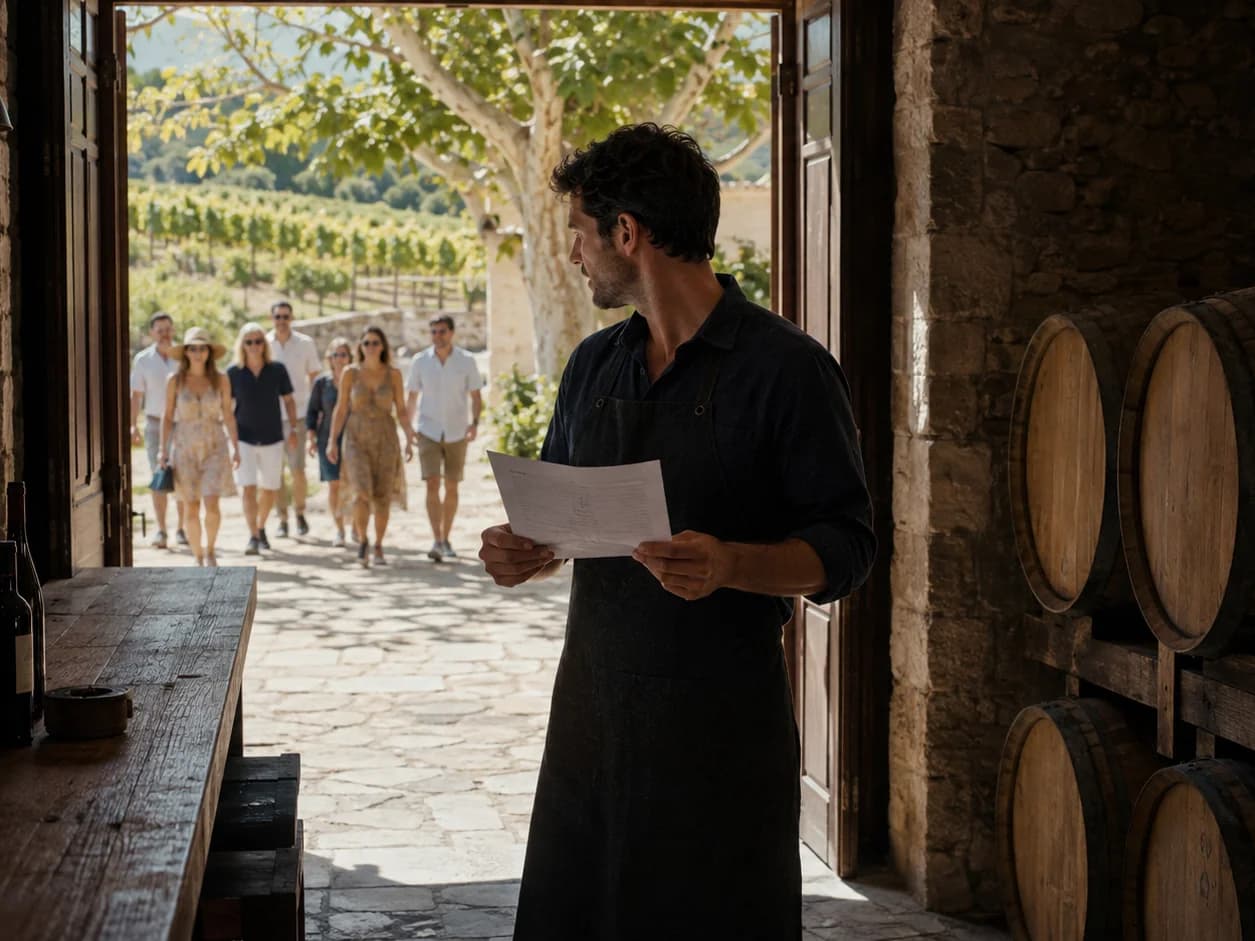
  2. The cellar-door host in the sunlit stone doorway holding a printed booking list of times and first names, counting a group of visitors as they cross the courtyard

    02 · The problem

    Tastings are booked on someone else's platform.

    It is awkward to use, it takes a fee, and it tells you nothing about who came.

    What we build

    Calendar

    Booking built into your own website, with visitors, bookings, tastings and products as one set of data the estate owns.

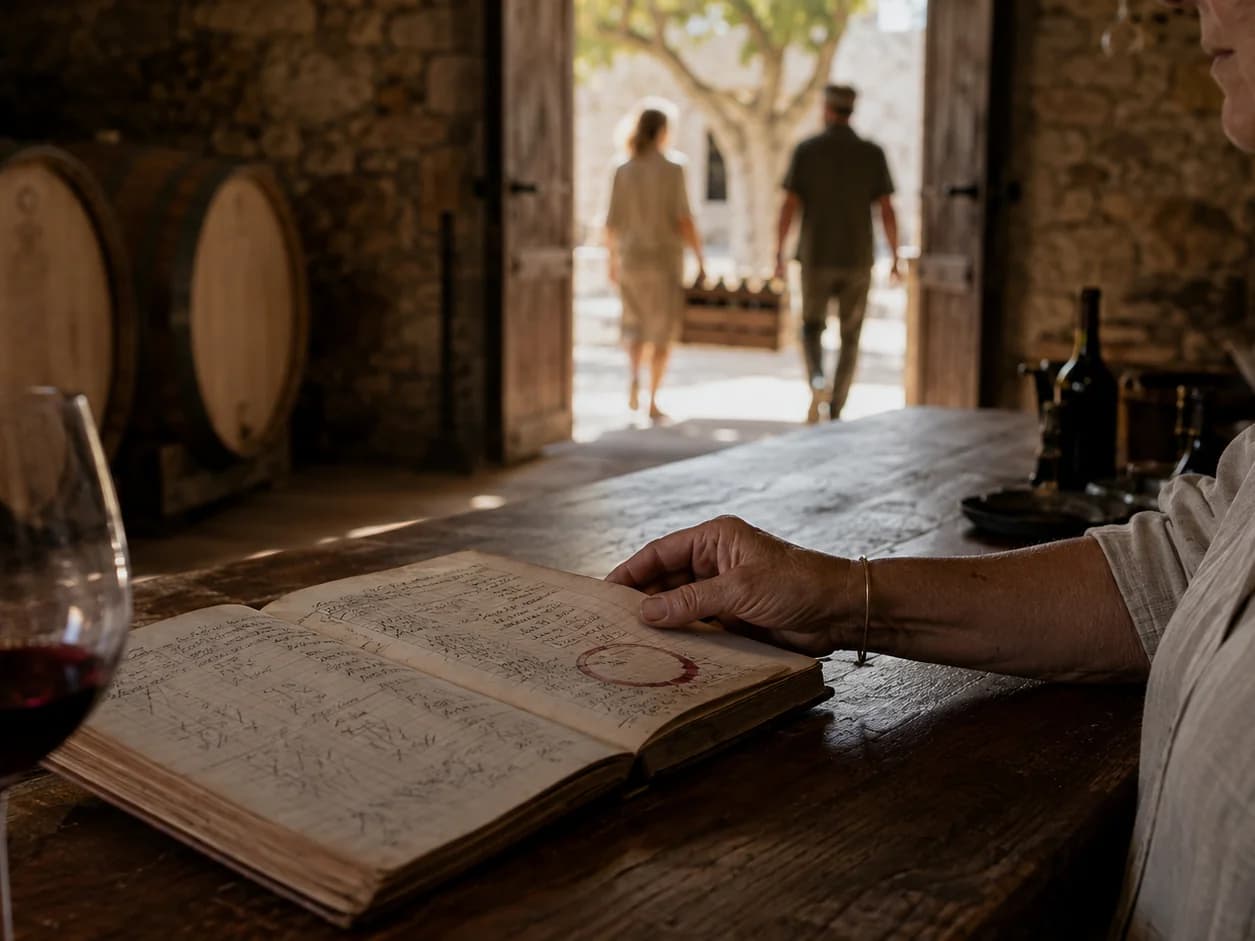
  3. The tasting ledger open on the oak bar in afternoon light, pencil columns of bottles sold and a wine-glass ring on the page, as a couple leave through the door with a case

    03 · The problem

    The tasting book counts bottles and forgets the people.

    You know how much was sold on Saturday. You do not know who liked the reserve and said yes to hearing about the next release.

    What we build

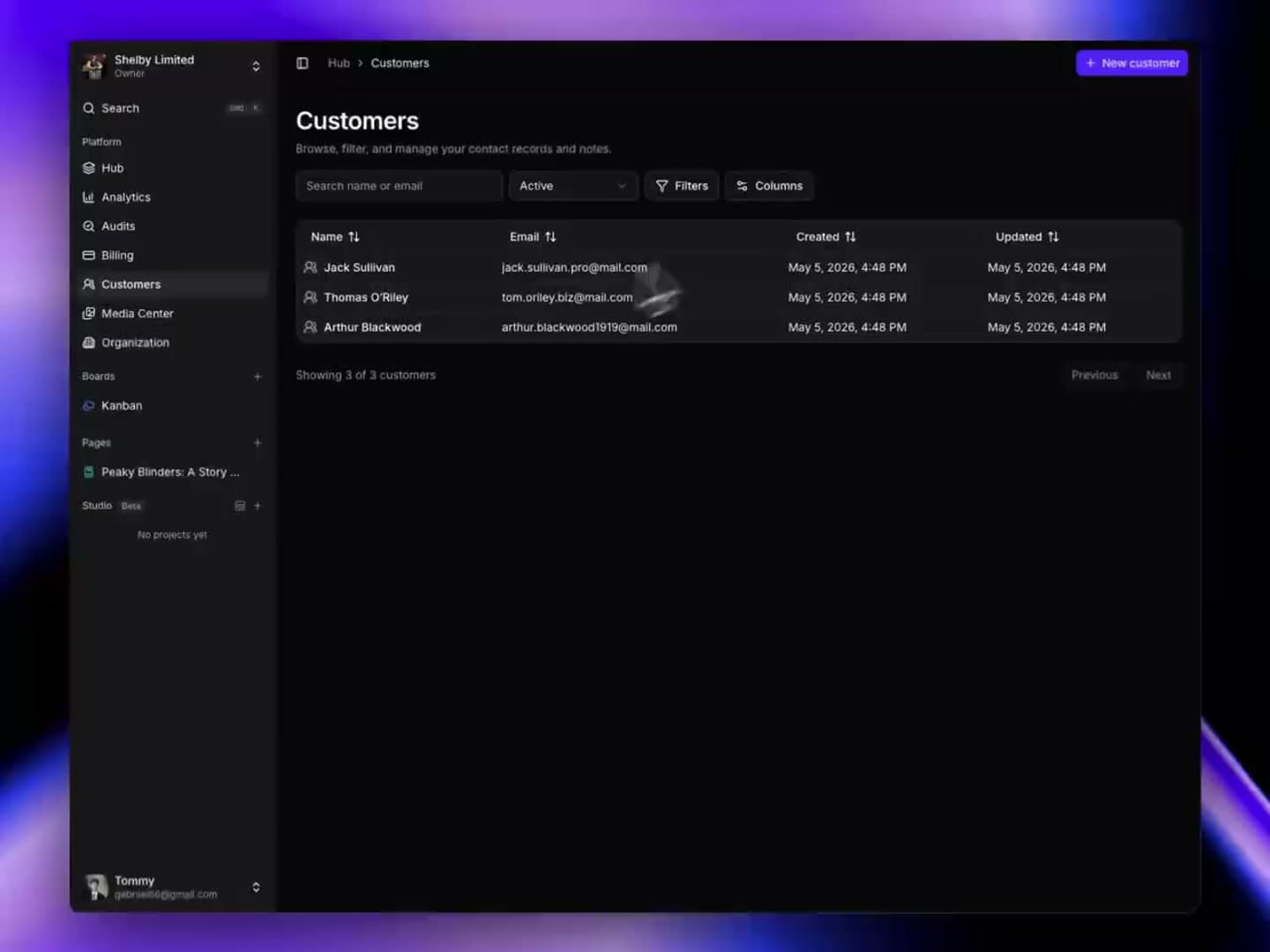
    Customers

    Every visitor becomes a record: what they tasted, what they liked, what they bought, and whether they asked to hear from you.

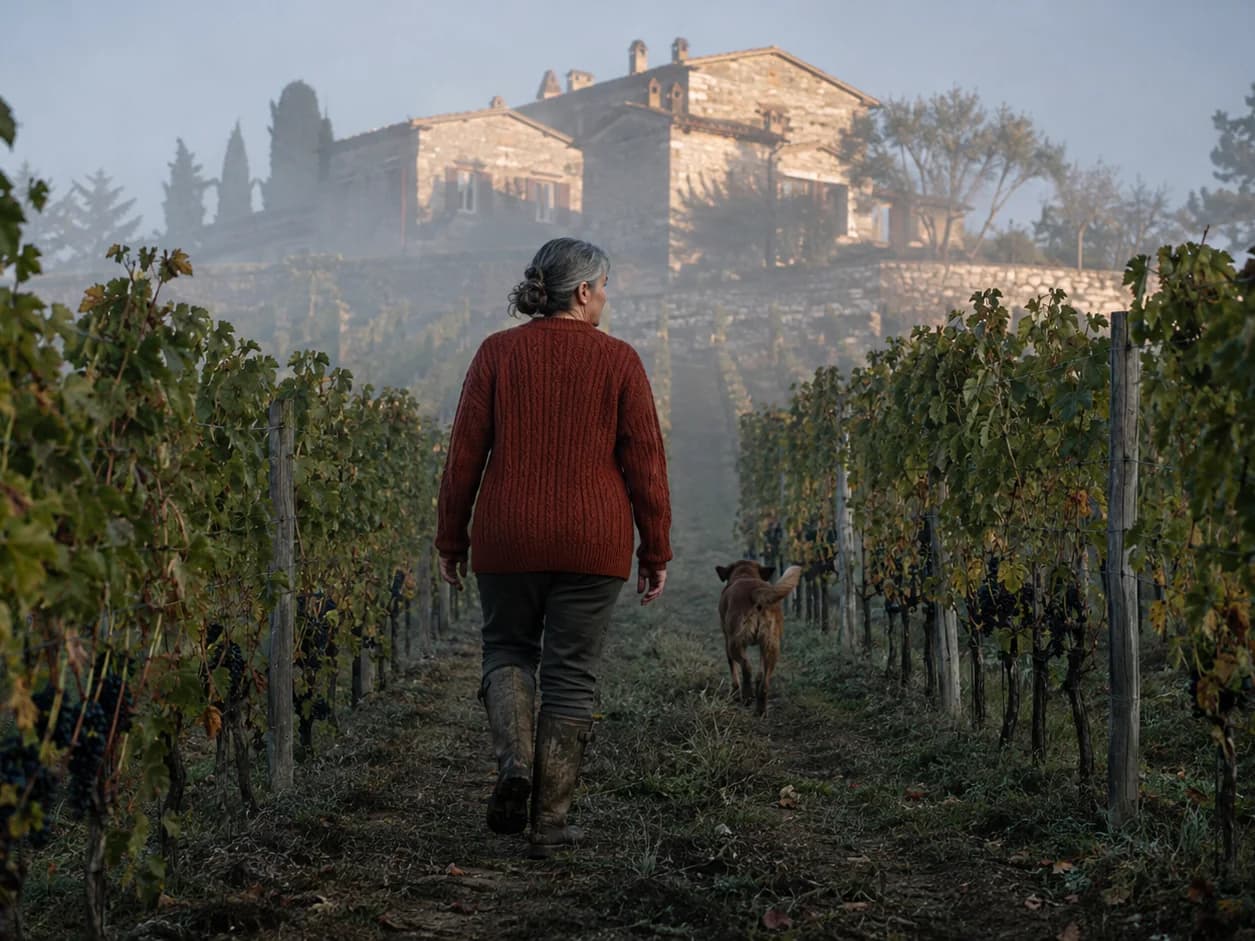
  4. The winemaker walking a misty vine row uphill at first light in a rust-red jumper, a dog running ahead of her and the old estate house on the slope behind

    04 · The problem

    The brand stops at the label.

    There is no story of the estate, the family or the land anywhere a stranger can read it.

    What we build

    Content Engine

    A website on brand and a blog telling the estate's story, so readers become visitors and visitors become customers.

The workspace, open before you book.

The photographs are generated and the records below are made up. The workspace is not: it is the product your site would run on, exactly as you would get it.

Pricing

The price, before you ask.

Growth is €2.500/month, plus VAT, no annual contract, no setup fee. Everything on this page runs on it. Move up, down, or out any month.

Straight answers, before the call

How do we capture preferences without being pushy at the tasting?
The host does what they do now: listens. At the end, the visitor is offered a card on a tablet or a link on their phone: name, the wines they liked, where a parcel would go, and a plain question about hearing when releases open. No answer is needed to buy, the card is in the estate's voice, and what they agreed to is stored with the record, so the release list only holds people who said yes.
Do we need a wine club to sell direct?
No. A club is one shape of the same record: people who asked to hear about releases and have an address a parcel can go to. Start with the record and the release note. Whether to add a subscription, a members' allocation or a price for members is a pricing decision for the estate, and nothing on the page assumes it.
Which countries can the shop ship to?
The ones the estate has set up, and no others. Each destination needs an excise arrangement, VAT at that country's rate and a carrier that checks age at the door, and a few markets sell retail wine only through a state monopoly. So the shop lists countries as they become ready rather than promising all of Europe on day one. The home market usually comes first.
Will the follow-up recommend wines automatically?
It follows what the visitor wrote down, and nothing else. The note is about the wine they chose and the releases they asked about. It does not judge what anyone should drink or whether they may buy in their country: age and shipping eligibility are checked at checkout and by the carrier at delivery, not by a message.
What does it cost?
One fixed monthly fee with no discovery fee, no setup invoice and no minimum term, and the SharpOS workspace included rather than billed separately. Everything on this page is in Growth, the plan published above and on the Plans page, plus VAT, with no annual contract. Move up, down, or out any month.
How it works

One partner, one fee, one weekly loop.

What we stand for, how the fee works and how a week with us goes. The answers above cover the specifics; every line here can be checked on the Values page.

  • One partner, not four suppliers

    Website, content, ads and automations, run as one weekly loop from Growth.

  • One published fee, before the call

    Growth is on the Plans page, plus VAT, no setup fee, no annual contract.

  • The founder does the work

    The person on your first call is the person who ships it, every week.

  • Nothing finishes

    Plan, build, iterate: each month starts where the last one ended.

  • Yours stays yours, in writing

    Domain, brand, content and data are yours and leave with you.

  • And if you ever leave

    Any month, no exit fee, two months of continuity; the engine stays ours.

Who you would be working with

SharpHaw is one senior software engineer, Gabriel Espinheira, running the website, the content, the ads and the automations as one weekly loop for businesses across Europe, with SharpOS as the workspace it all runs in. How that works, who does the work, and everything the subscription covers are written up on the site.

Bring the tasting book. Leave knowing where the second order goes now.

Thirty minutes on the path from tasting to second order: what the estate keeps about a visitor today, who the last release went to, and where repeat buyers end up ordering. Yours whether or not you engage. No proposal afterwards.