




An estate agency the vendor finds first.

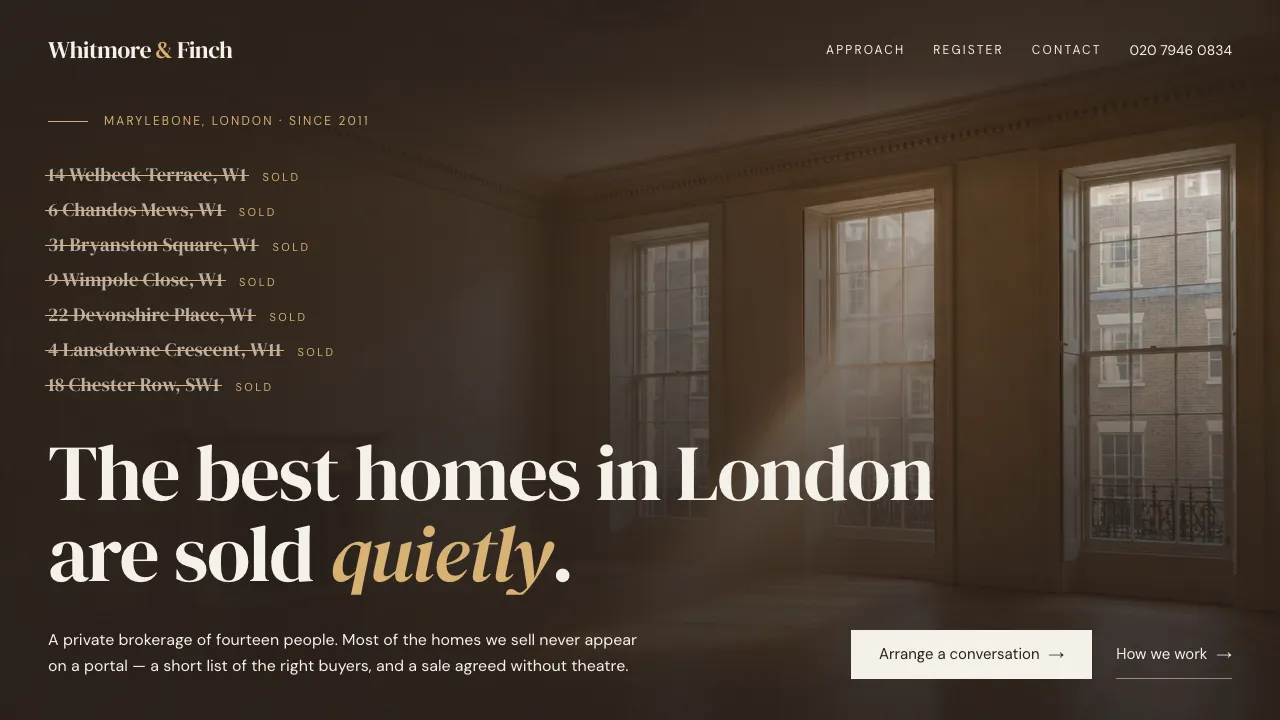
Campaigns in your own accounts on the searches a vendor actually makes, a page about her street, and a valuation path that asks the address, the property type and roughly when. Then a record you own until the instruction, not an introduction three competitors also bought.

Five ways an agency pays for the same vendor twice, and what we build for each.

Each one is a problem we hear from this trade, in plain words, and what a SharpHaw subscription puts in its place.

  1. A couple on their sofa at night scrolling a property portal on a shared laptop, the agency's own printed brochure lying face down under a mug on the table

    01 · The problem

    The listings page is out of date, so buyers go back to the portal.

    Your own website is the last place a buyer looks, and the portal owns the relationship.

    A modern site where buyers browse the properties you have and book a viewing without calling.

  2. An estate agency shopfront late at night with the lights off and the property cards still glowing, a woman outside reading them by streetlight with her phone in her hand

    02 · The problem

    There is no support outside working hours.

    A buyer searching at nine at night has nobody to ask, and moves on.

    A support chat that answers day and night and helps a buyer find a property from what they ask for.

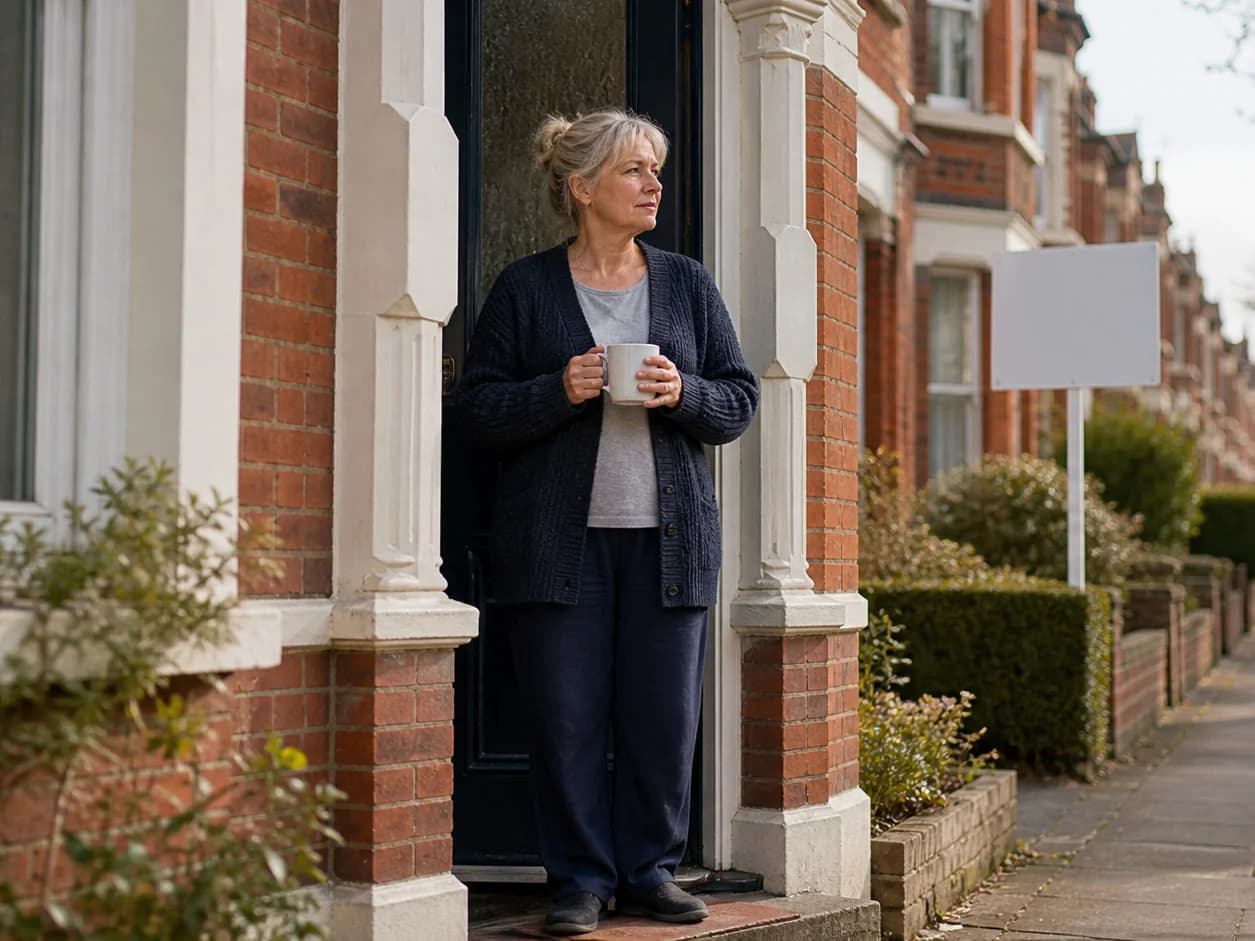
  3. A homeowner on her front step on a spring morning with a coffee, looking down her own terraced street at another agency's board two doors away

    03 · The problem

    A vendor searches her own street nine months early, and finds the portal.

    By the time she is ready, the agency she has been reading is not yours.

    What we build

    Ads

    Campaigns in your own ad accounts on the searches homeowners make about their street, landing on a page about that street.

  4. An agent parked outside a house he has never seen, reading a two-line portal enquiry on his phone and looking up through the windscreen, a rival car pulling up behind

    04 · The problem

    A portal enquiry has a name, an email and nothing about the house.

    Three other agents got it too, and the first call is a race.

    A valuation path that asks the address, the property type and roughly when, so the valuer arrives prepared and the curious are told apart from the ready.

  5. An agency desk pad in summer light through the blinds: a name and a note to call in spring in biro, coffee rings across it and later notes bleeding through the page

    05 · The problem

    A callback promised for spring, written on a pad, gone by June.

    Vendors take months to decide, and most agencies lose them in the gap.

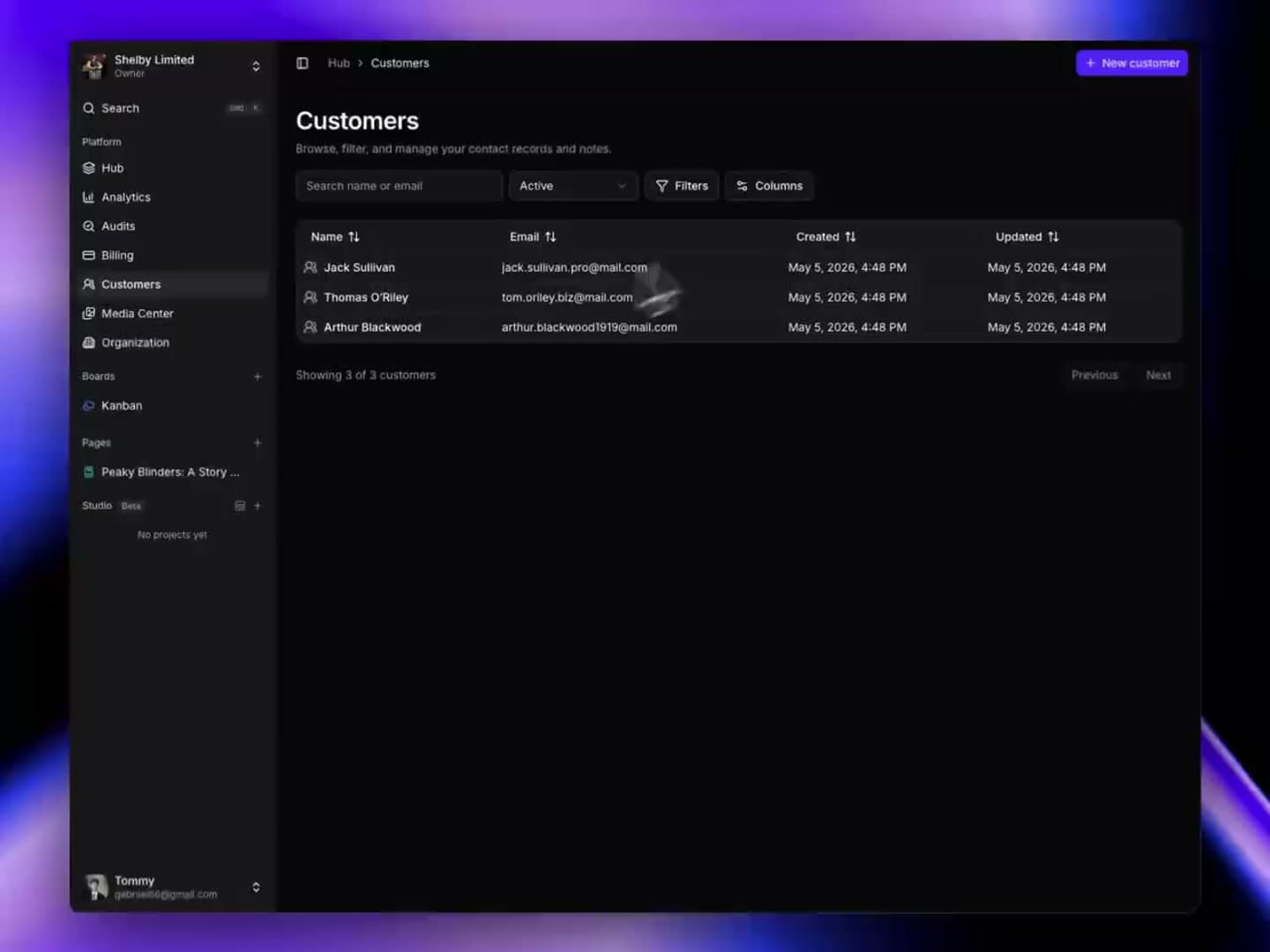
    A record you own until the instruction: the street report when it is published, a note when a nearby sale completes, nothing else.

Pricing

The price, before you ask.

Starter is €2.500/month, plus VAT, no annual contract, no setup fee. Everything on this page runs on it. Move up, down, or out any month.

Straight answers, before the call

Do we have to leave the portals?
No, and most agencies should not. Portals are where applicants look, and a listing needs to be where the buyers are. The argument here is about the other side of the ledger: the vendor who searches nine months early. Winning that person through your own pages and your own list is what stops the same introduction being sold to you twice.
Whose ad accounts does the spend run through?
Yours. We work inside your Google and Meta accounts, so the spend, the history and the audiences stay with the agency whatever happens between us. Media is paid at cost from your own accounts and never marked up, and the monthly report shows the spend beside the valuation requests it produced.
Can you actually tie spend to instructions?
To valuation requests, always: they happen on your site and land as records. To instructions, only as far as the agency records the outcome, because that decision happens in a meeting and often months later. We report what is measured and what is reconciled by hand, and we never present the second as if it were the first.
Nine months is a long time. When do we see anything?
Valuation requests start in the first weeks, because some people searching this month are ready this month. The compounding part is slower: the street pages and the follow-up build a list of future vendors, and that shows up as instructions from names you have held for a while. The monthly report separates the two so the slow half stays visible.
What does it cost?
One fixed monthly fee with no discovery fee, no setup invoice and no minimum term, and the SharpOS workspace included rather than billed separately. Everything on this page is in Starter, the plan published above and on the Plans page, plus VAT, with no annual contract. Move up, down, or out any month.
How it works

One partner, one fee, one weekly loop.

What we stand for, how the fee works and how a week with us goes. The answers above cover the specifics; every line here can be checked on the Values page.

  • One partner, not four suppliers

    Website, content, ads and automations, run as one weekly loop from Starter.

  • One published fee, before the call

    Starter is on the Plans page, plus VAT, no setup fee, no annual contract.

  • The founder does the work

    The person on your first call is the person who ships it, every week.

  • Nothing finishes

    Plan, build, iterate: each month starts where the last one ended.

  • Yours stays yours, in writing

    Domain, brand, content and data are yours and leave with you.

  • And if you ever leave

    Any month, no exit fee, two months of continuity; the engine stays ours.

Who you would be working with

SharpHaw is one senior software engineer, Gabriel Espinheira, running the website, the content, the ads and the automations as one weekly loop for businesses across Europe, with SharpOS as the workspace it all runs in. How that works, who does the work, and everything the subscription covers are written up on the site.

Bring one portal invoice. Leave knowing what it bought.

Thirty minutes on last quarter: what each portal enquiry arrived with, how many became appraisals, and who owns the homeowner afterwards. Yours whether or not you engage. No proposal afterwards.